Far-UVC Decontamination
Far-UVC light is an innovative solution for decontamination and bioburden reduction in critical clean environments that demand the dramatic reduction or complete elimination of microbial contamination.
Denmark-based UV Medico A/S is a pioneer in the application of Far-UVC technology in the human-safe ultraviolet light wavelength of 222nm (nanometres). The firm’s products deploy mercury-free, UL867 ozone-compliant Krypton-Chloride (KrCl) excimer lamps with patented filter technology to emit Far-UVC light, which has been shown to effectively reduce airborne pathogens and viruses, including SARS-COV-2. Far-UVC light at 222nm wavelength renders microorganisms inactive with no hazard to human health.

Far-UVC Decontamination Solutions
Far-UVC technology plays a significant role in rapid disinfection in pharma, biotech and life science applications, as well as providing infection control solutions for ambulances and emergency medical vehicles, hospitals, clinical and dental facilities. It also protects health and well-being in food preparation and serving environments, and other hygiene-critical public spaces.
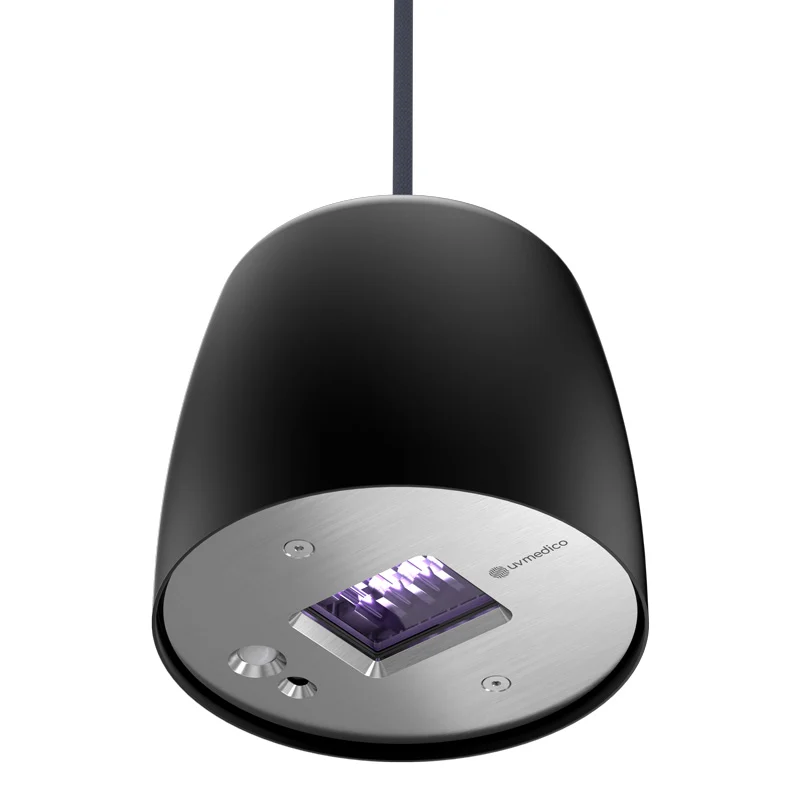
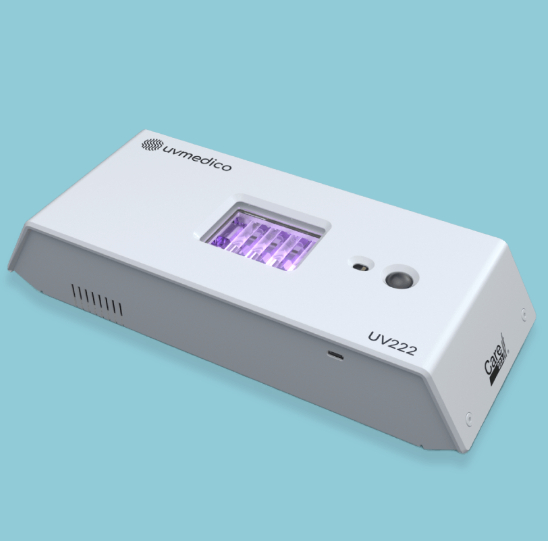
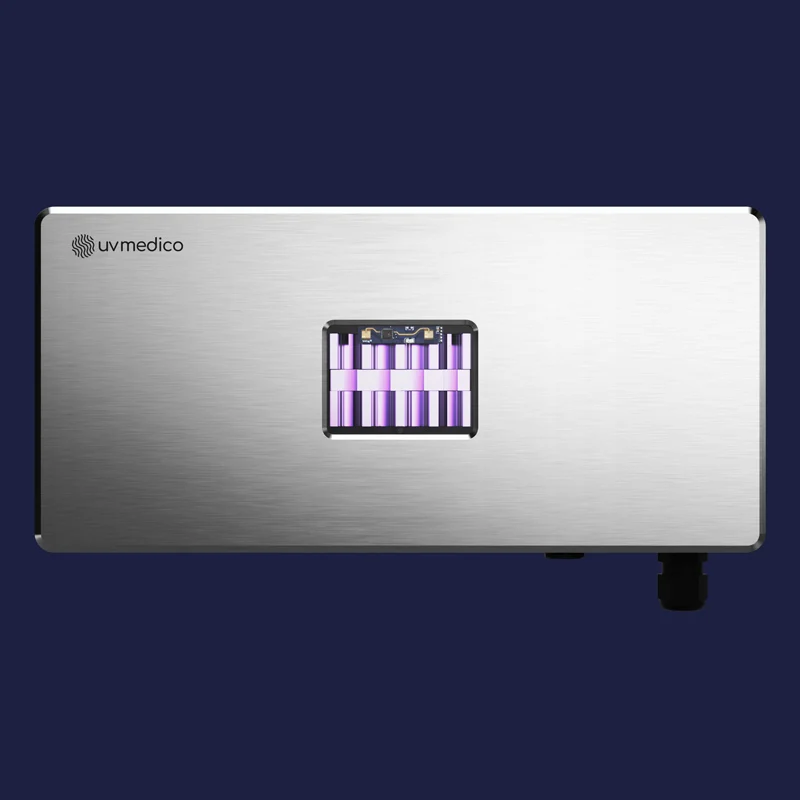
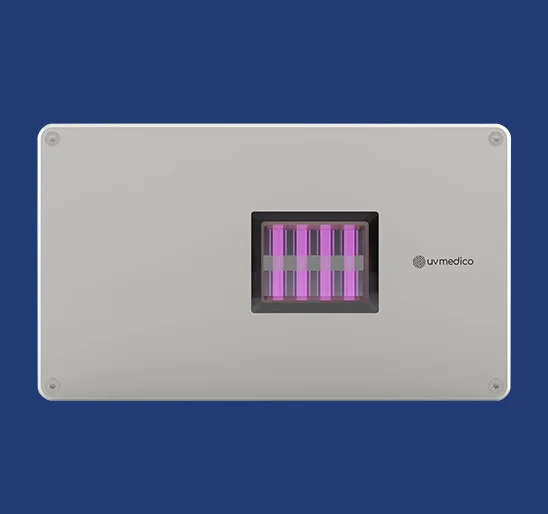
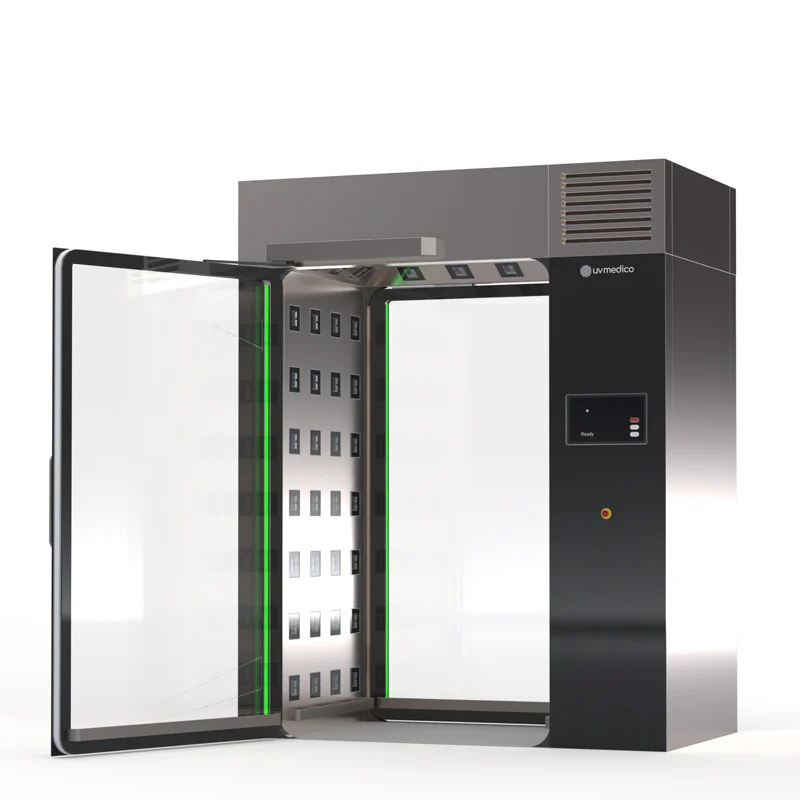
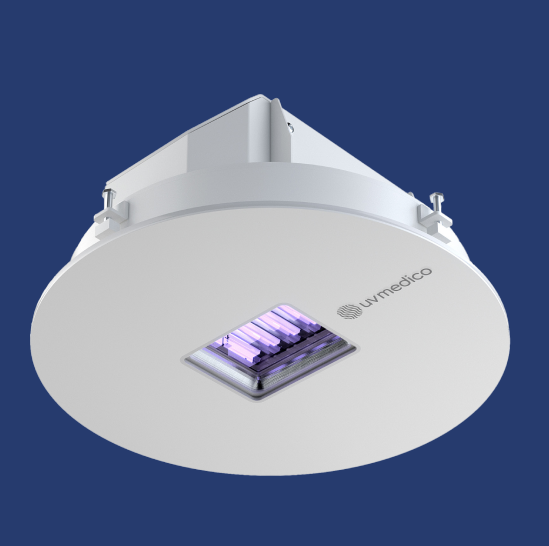
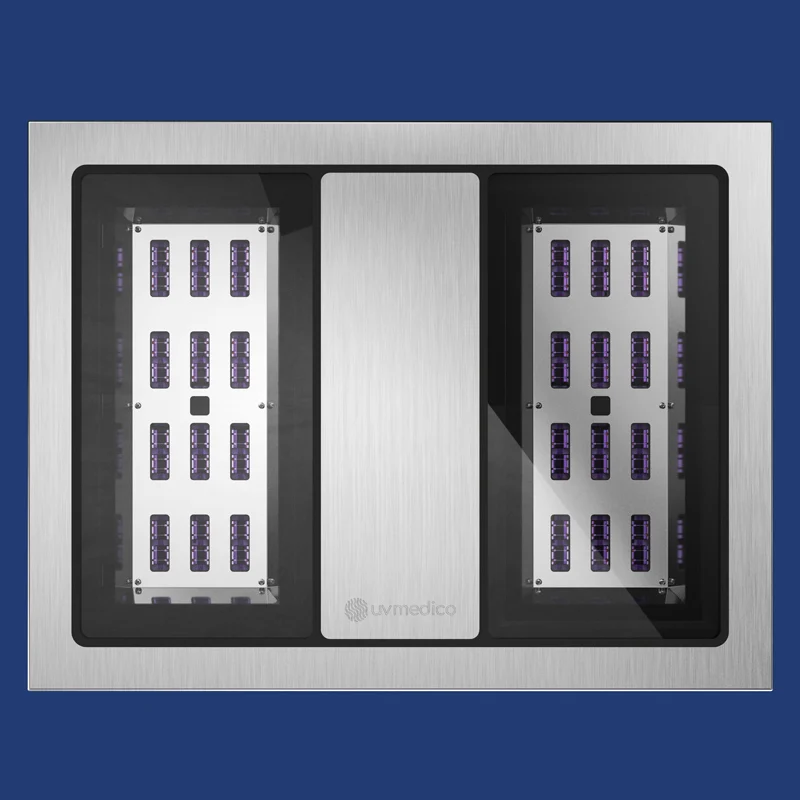
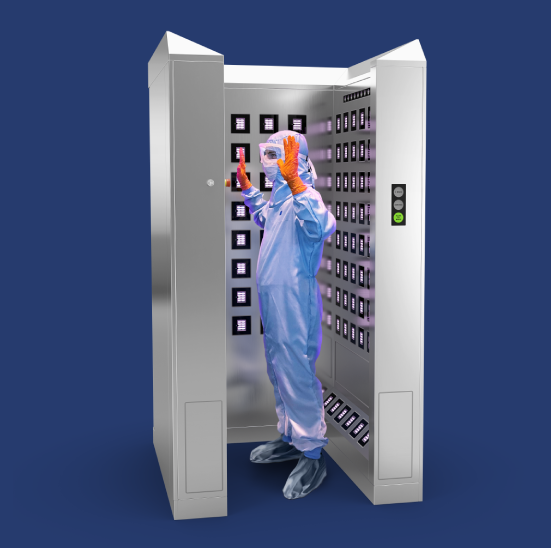
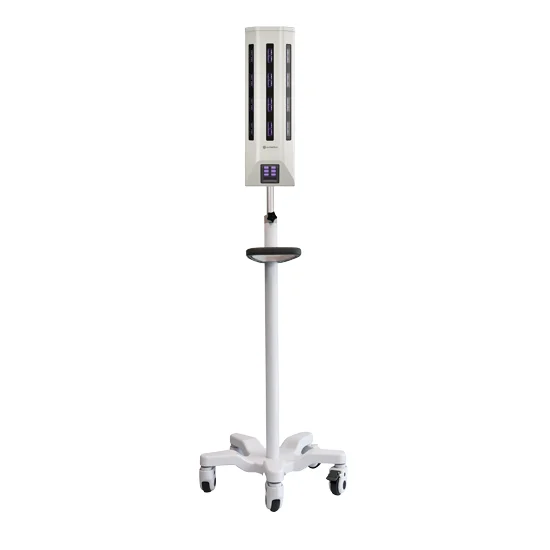
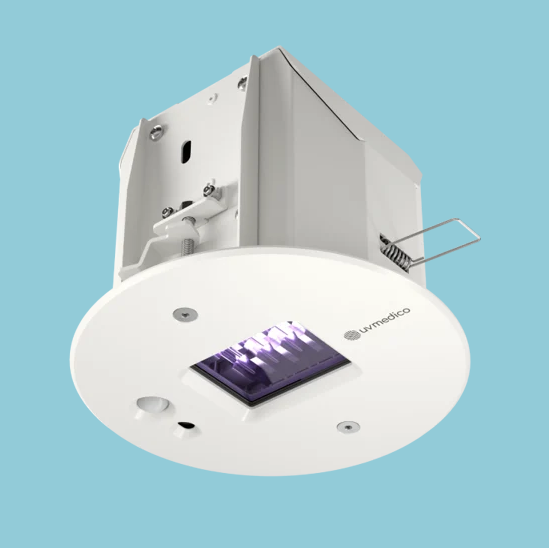
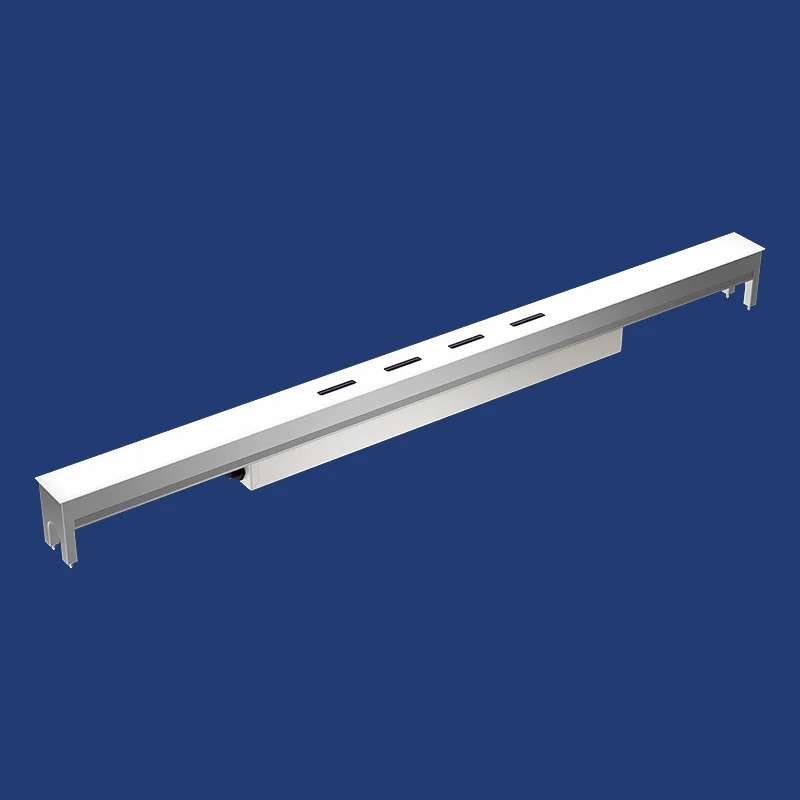
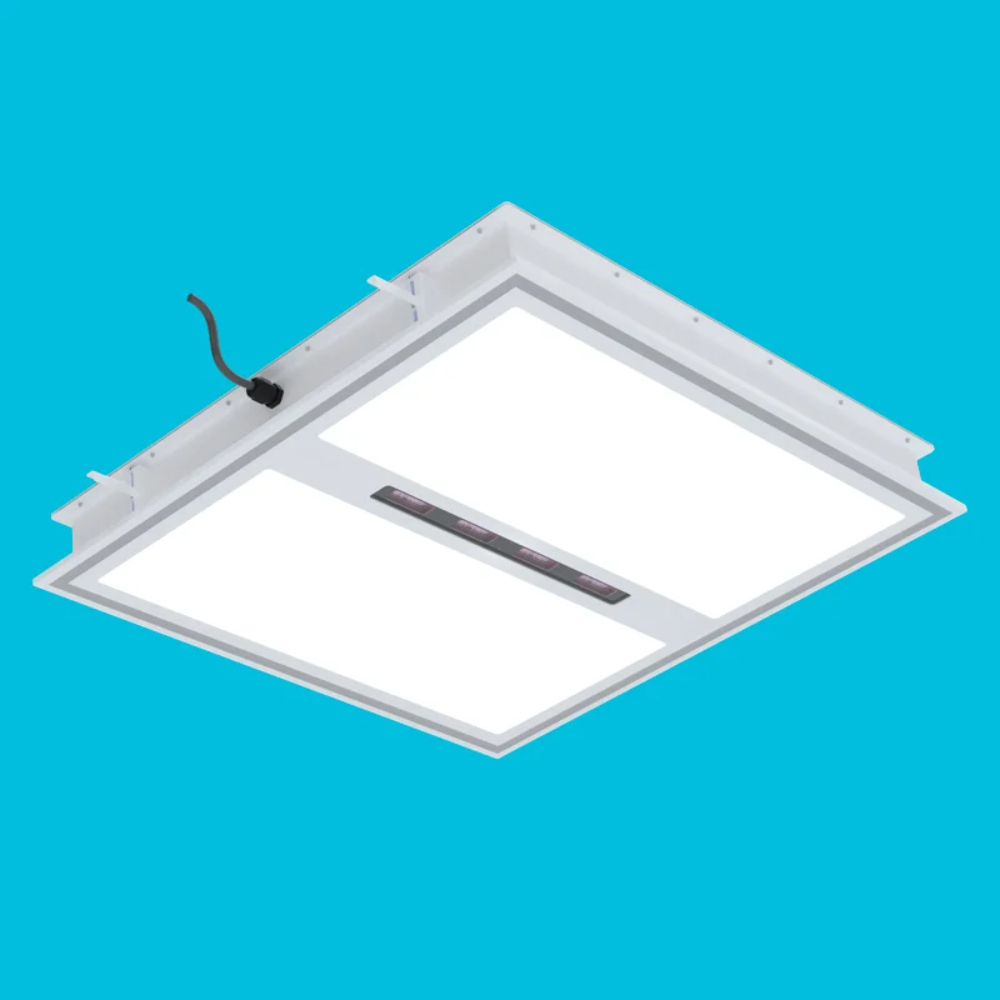
UV222™ lamps and products from UV Medico A/S are UL867 ozone-compliant, mercury-free, and comply fully with the stringent regulations of ISO 15858, which specifies minimum human safety requirements for the use of UVC lamps.
Using the buttons below, you can view the ISO 15858:2016 document that covers UVC light exposure in general, and a Statement of Compliance specifically for UV Medio UV222™ lamps and products, issued after an independent audit by the Department of Electrical and Computer Engineering at Aarhus University.
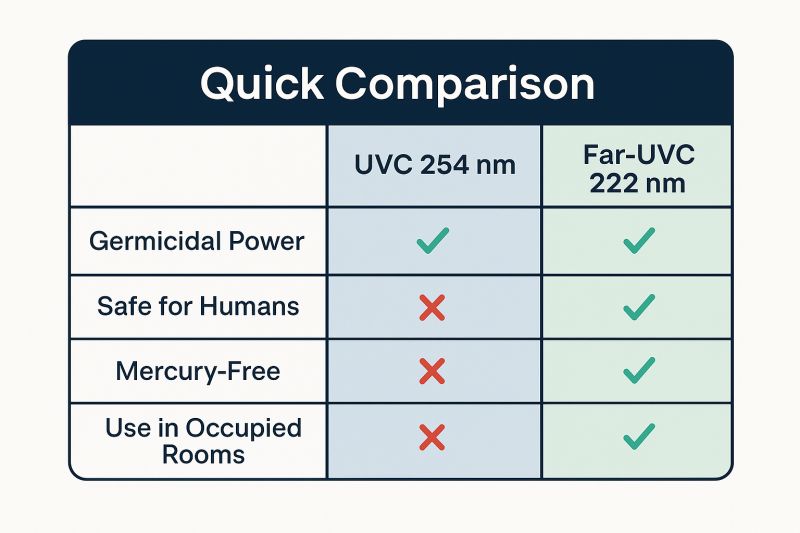
Understanding the Difference: Far-UVC light at 222nm wavelength vs. Traditional UVC light at 254nm wavelength
- Wavelength & Source
254 nm (Traditional UVC): Mercury lamps
222 nm (Far-UVC): KrCl excimer lamps
Both kill viruses & bacteria, but only one is safe for people. - Human Safety
254 nm: Damages eyes ️ and skin — not safe when people are around.
222 nm (Far-UVC): Can’t penetrate living cells — safe for occupied spaces! - Environmental Impact
254 nm: Contains mercury
222 nm: Mercury-free — the sustainable UV solution.
The Future of Safe Disinfection
✔️Far-UVC 222 nm = Continuous protection + Human safety.
✔️Perfect for hospitals, schools, offices, and public spaces.
✔️Safe Light. Clean Air. Healthy Spaces.
UV Medico’s filtered Far-UVC lamps redefine performance:
✔️ 17,500-hour lifetime — industry-leading durability
✔️ Continuous, safe disinfection for occupied spaces
✔️ Mercury-free & sustainable
UV Medico UV222™ vs UV254 Comparison Chart.
| UV Light at 254nm wavelength | UV Light at 222nm wavelength | |
|---|---|---|
| Occupied Spaces | NOT safe to have direct irradiation on humans – can penetrate skin and eyes, causing DNA changes (as in a virus) with risk of skin cancer and cataract.
Can only be used in unoccupied spaces or the top area of occupied spaces. |
Safe in human presence – Far-UVC light has a shorter wavelength that cannot penetrate human tissues. It is absorbed by the dead cells of the outer layer of the skin and the tear layer of the eye, so it is safe for human and animal exposure. |
| Disinfection principle | UV-C radiation (230nm – 280nm) only causes damage or changes to the DNA/RNA. This limits replication, not the ability to infect. | Deploys two principles of disinfection – destroying the DNA and proteins of microorganisms. This limits both replication and the ability to infect. |
| Exposure limits | 254nm light has a longer wavelength than 222nm light and penetrates our skin and eyes, which causes DNA changes (as in a virus) and can cause skin cancer and cataracts. Skin and eye protection are needed. | The new TLVs (2022) from ACGIH have been increased by 700%. ISO standards are expected to follow this recommendation in the near future. |
| Lamp life span | 9,000+ hours. | 17,500+ hours. |
| Lamp power consumption | Higher energy consumption of 320 Watts (eight lamps at 40W each). | Power efficient and energy saving at 13 – 17 Watts. |
| Efficacy | Very high effectiveness. | Very high effectiveness with the added benefits of a 90% reduction in the dose required to obtain a Log 1 reduction of Sars-Cov2 of just 3.9J/m².
Example: With UV222 at an irradiance of 13.8µW/cm², it takes 43 seconds to obtain a 90% inactivation of Sars-Cov2. |
| Type of light | Invisible light. Bulbs appear purple. | Invisible light. Bulbs appear purple. |
| Size of equipment | Traditionally very bulky. | Small and compact design. Easily integrated into ceilings and simple to install on walls with brackets. Also available on wheelable mobile tripod stands. |
| Disinfection procedure |
|
Fully automatic. Installed in situ in occupied spaces. No interruptions for staff. |
| Type of lamp | Low-pressure, mercury-based. | Mercury-free KrCl lamps with patented filter technology. |